Eczema: how to relieve itching and protect your skin
Eczema — also known as atopic dermatitis — can affect people of all ages, from children to adults. The redness, itching and dry skin can make day-to-day life uncomfortable. On this page, you’ll find clear advice to help you understand the causes, recognise the symptoms and take the right steps to calm and care for naturally sensitive, eczema-prone skin.
Eczema is a chronic inflammatory skin condition marked by redness, intense itching, severe dryness and, in some cases, oozing lesions. Atopy refers to a genetic tendency to develop allergic conditions such as eczema, asthma or hay fever. Atopic eczema, also known as atopic dermatitis, is the most common form. It’s caused by a weakened skin barrier and an overactive immune response to irritants or allergens. This condition tends to flare up unexpectedly, and managing it requires consistent care to help prevent relapses and soothe the skin over time.
What’s the difference between atopic eczema, contact eczema and other types?
There are several types of eczema, and it’s important to understand the difference between them. Atopic eczema is linked to allergic sensitivity and tends to affect children more frequently. Contact eczema develops after exposure to an irritant or allergen — such as metals, cosmetics or household products. Dyshidrotic eczema causes small blisters on the hands or feet, often triggered by stress or humidity. Nummular eczema, on the other hand, appears as round, coin-shaped patches. Each type has its own features, but all require accurate diagnosis and tailored care to avoid flare-ups, limit exposure to irritants and manage symptoms effectively.
Who is affected? Adults, children and babies
Eczema can affect people of all ages, but it often begins in early childhood. Around one in five children experiences atopic eczema. In babies, it typically appears on the face and scalp. As they grow, flare-ups tend to move to the creases of the body, such as behind the knees or inside the elbows. While eczema may improve with age, for some, it persists or returns in adulthood. Adults can also develop contact eczema at any stage of life. Whatever your age, it’s important to follow a skincare routine that soothes and protects the skin over the long term.
Causes, symptoms and triggers
What are the typical signs of eczema?
Eczema often shows up as intense itching, redness, dryness and inflamed patches of skin. During flare-ups, the skin may become rough, cracked or even start to weep. These symptoms tend to appear symmetrically, often affecting the face, arms, legs, or skin folds like the neck, elbows and behind the knees. In babies, the face is usually the first area affected. The severity of symptoms can vary, but scratching always makes things worse and can lead to infection. That’s why it’s so important to treat eczema as soon as symptoms appear, to help keep it under control and prevent it from getting worse.
How do eczema flare-ups develop?
Eczema tends to follow a cycle, with periods of remission alternating with inflammatory flare-ups. During calm phases, the skin may appear normal but remains fragile and prone to dryness. When a flare-up occurs, symptoms often return suddenly, triggered by factors such as stress, allergens or cold weather. Flare-ups can last for several days or even weeks. The more consistent your skincare routine, the longer these calm periods tend to last. The way eczema progresses varies greatly depending on factors like age, eczema type and environment. Following a preventative skincare routine can help reduce how often flare-ups occur — and how severe they are over time.
Internal causes: genetics, skin barrier and atopic predisposition
Atopic eczema has multiple causes, with genetics playing a key role. People with a family history of allergies — such as asthma, hay fever or eczema — are more likely to develop it. Their skin tends to have a weakened barrier, which allows allergens, irritants and bacteria to penetrate more easily. This compromised barrier leads to moisture loss and makes the skin more reactive to external triggers. As a result, the immune system overreacts, causing inflammation and itching. This atopic tendency is often present from birth and calls for targeted skincare to help reduce flare-ups and calm the skin’s response.
External causes: allergens, irritants and stress
Many external factors can trigger or worsen eczema flare-ups. Common allergens include dust mites, animal hair, pollen and certain foods. Everyday irritants such as harsh soaps, laundry detergents, hard water or certain fabrics (like wool or synthetics) can also play a role. Other triggers include stress, changes in the weather (especially cold or dry conditions), and sweating, all of which can lead to skin reactions. Identifying your personal triggers is key to managing eczema. It allows you to adapt your lifestyle, avoid unnecessary exposure, and choose gentle, skin-friendly products that support eczema-prone skin every day.
Eczema and other atopic conditions (asthma, allergies)
Atopic eczema is often part of a wider group of conditions known as atopic disorders. These include allergic conditions such as asthma, hay fever and food allergies. They all share a common origin: a genetic predisposition that causes the immune system to overreact to substances that are normally harmless. Many children with eczema go on to develop other types of allergy later in life. Understanding this connection allows for a more holistic approach to care. Ongoing medical monitoring and a protective lifestyle are key to helping reduce the risk of developing related conditions.
Everyday care and solutions
Daily tips to help calm and care for eczema-prone skin
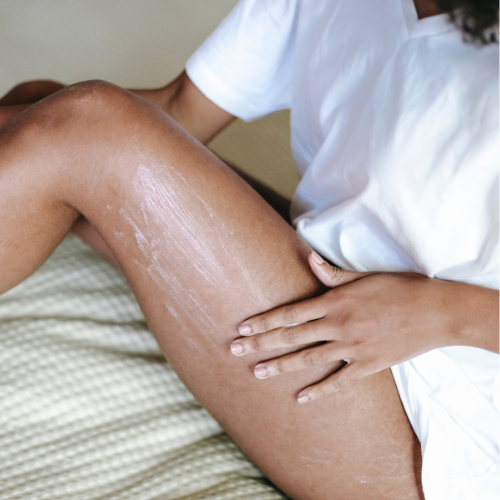
A regular skincare routine is key to managing eczema and keeping flare-ups at bay. The focus should be on repairing and protecting the skin barrier. That means moisturising every day with a rich emollient, applied all over the body — even when the skin looks calm. Keep showers short and warm rather than long and hot, and wash with a mild, soap-free and fragrance-free cleanser. After washing, gently pat the skin dry with a towel instead of rubbing. When it comes to clothing, choose soft, breathable fabrics like cotton, and avoid anything that might irritate the skin — such as wool, synthetic fibres or strong detergents. Sticking to these small, simple steps each day can make a real difference: they help soothe irritation, reduce inflammation and lower the risk of flare-ups over time.
Recommended treatments for eczema
During flare-ups, topical treatments are often needed to help calm inflammation. The most commonly used are topical corticosteroids (cortisone-based creams), which work quickly to relieve redness and itching. These treatments should be used carefully and for a limited time, always following medical advice. For moderate to severe eczema, other options may be prescribed, such as calcineurin inhibitors, phototherapy or systemic treatments. Self-medicating is not recommended — eczema should be managed under the guidance of a healthcare professional, who can adjust treatment as the skin’s condition evolves. It’s also essential to combine any medical treatment with a regular moisturising routine to support the skin’s barrier and prevent further flare-ups.
Preventing flare-ups: practical tips and daily care
Preventing eczema flare-ups means following a consistent skincare routine, even when the skin appears calm. The foundation is hydrating the skin morning and evening with a suitable emollient. It’s also important to identify and avoid personal triggers — such as household allergens, irritating fabrics, stress, or extreme temperatures. Simple steps like airing out rooms, using a humidifier in winter, wearing soft, comfortable clothing and eating a balanced diet can all help support the skin’s natural balance. Therapeutic education, especially for children, also plays a key role. Understanding the condition makes it easier to spot early signs and manage eczema with more confidence day to day.
BepanthenSensiCalm® PALPÉBRAL relieves itching in 30 minutes and reduces skin symptoms such as redness and dryness during atopic eczema attacks on the eyelids
A medical device that treats atopic, contact and chronic eczema lesions and limits their recurrence.
(9)
£10.88
Eczema in babies and children
How to recognise eczema in babies and young children
Atopic eczema often begins within the first few months of life. In babies, it usually appears as dry, red and rough patches, most commonly on the face — including the cheeks, forehead, chin — and the scalp. As the child grows, the affected areas often shift to the skin folds, such as the elbows, knees, wrists or ankles. Itching can be intense, sometimes disrupting sleep and leading to frequent scratching. The appearance of the skin may change depending on whether the eczema is in an acute or chronic phase. Getting an early diagnosis allows parents and carers to introduce a tailored skincare routine that helps improve the child’s comfort and quality of life.
Tips for managing flare-ups in children
When a flare-up occurs, it’s important to act quickly to soothe the skin and reduce inflammation. Applying an emollient cream every day helps to strengthen the skin barrier and keep it hydrated. During flare-ups, corticosteroid creams may be prescribed to calm irritation and redness. Avoid hot baths, and choose soap-free cleansers that are gentle on the skin. Make sure to rinse thoroughly and dry the skin by patting, not rubbing. Keeping fingernails short can help reduce damage caused by scratching. Dressing your child in soft cotton clothing can also minimise irritation. Creating a clean, allergen-free environment, free from smoke and known triggers, is key to reducing the frequency of flare-ups.
A gentle skincare routine for little ones with sensitive skin
Babies’ and young children’s skin is especially delicate and vulnerable, so a gentle, well-adapted skincare routine is essential. After each bath — which should be brief and lukewarm — it’s best to apply a fragrance-free emollient made specifically for infants, avoiding any products with harsh preservatives. Always choose hypoallergenic, dermatologically tested formulas, and use a mild, allergen-free laundry detergent. Make sure clothes are thoroughly rinsed after washing. To avoid irritation, steer clear of synthetic or rough fabrics, and go for organic cotton wherever possible. If you're unsure about which products or routine to follow, a paediatrician or dermatologist can provide guidance based on your child’s needs.
Soothes very dry to atopic skin and relieves itching with intense, long-lasting hydration for up to 48 hours.
(521)
£22.46
Your shortcut to self-care!
Sign up for our free newsletter and unlock early access to offers, expert tips and product drops — just for subscribers.
Please confirm your subscription. A confirmation e-mail will be sent to the address indicated.
First Name
Email
The data transmitted via this form is processed by EASYPARAPHARMACIE ("EASYPARA") in its capacity of a data controller, for the purpose of managing your EASYPARA account. Your data may also be used, subject to your express consent, for you to receive personalised commercial information by e-mail relating to the activities and products marketed by EASYPARA. You have the right to file a complaint with the competent supervisory authority, to define requirements concerning the conservation, deletion and communication of your data after your death, as well as a right of access, rectification, deletion, limitation, portability and opposition on legitimate grounds of personal data related to you. To exercise any of these rights, please send your request by e-mail to the following address: donneespersonnelles@easyparapharmacie.com or by post to: EASYPARA - Data Protection Officer - Protection des données personnelles - 47 Boulevard René Cassin - 06200 Nice - FRANCE. For more information on processing of your personal data, please consult our EASYPARA personal data processing policy.