



















Thermometers – accurate fever and temperature measurement
-
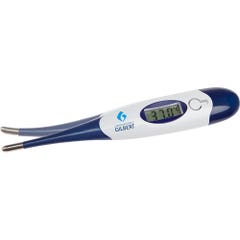 Gilbert
Gilbert Flexible 10-second rapid thermometer
Flexible digital thermometer - Water resistant - Gilbert
£7.13 -
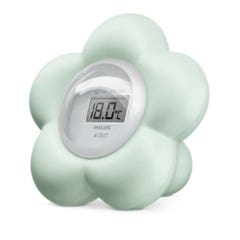 Avent
AventAvent Accessories Digital thermometer Bath and bedroom
Avent digital thermometer to keep Baby's bath and bedroom at the ideal temperature
£18.14 -
Made in France
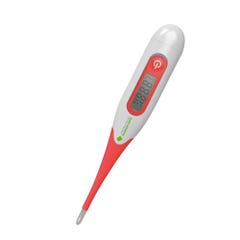 Digit
DigitDigit Flexible rapid digital thermometer 1 x unit
Measure temperature quickly and comfortably with the flexible Digitemp digital thermometer—suitable for oral, underarm or rectal use.
£8.24£8.24/u -
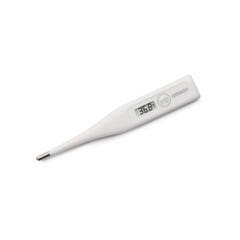 Omron
OmronOmron Eco Temp thermometer Basic
Omron Eco Temp thermometer for simple and practical use
£5.93£5.93/u -
Made in France
 Digit
DigitDigit Flexible rapid digital thermometer for kids 1 x unit
Measures body temperature orally, underarm or rectally for quick, accurate readings.
£4.49£4.49/u -
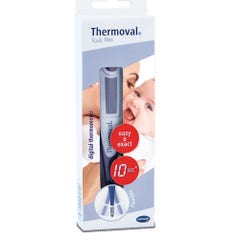 Hartmann
Hartmann Kids Flex Thermoval Digital Thermometer
Hartmann soft tip digital clinical thermometer for Children
£18.54 -
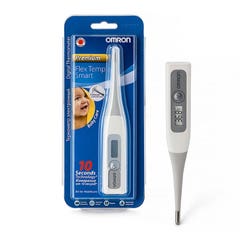 Omron
OmronOmron Flex Temp Smart Digital Thermometer
Omron digital thermometer with soft, flexible tip perfectly suited to babies
£16.49£16.49/u -
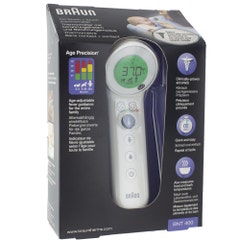 Braun
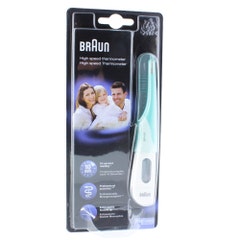
BraunBraun No Touch Ntf3000 Forehead Digital Thermometer
The ultra-sensitive sensor and special optical system captures twice as much radiated heat compared to traditional forehead thermometers** without an optical system, to ensure accuracy and more consistent readings which you get in just two seconds. You'll also appreciate its large back-lit LCD display with colour coding, so interpreting temperature is easy. It helps you understand the readings and act accordingly - green (normal temperature), yellow (elevated temperature) and red (high temperature). It's innovation like this that has helped make Braun a leading thermometer brand and our ThermoScan thermometers the no. 1 choice across Europe*.
_x000D_
_x000D_No touch mode suitable for when your child is sleeping
_x000D_- _x000D_
- The only forehead thermometer that uses a patented, clinically proven breakthrough technology _x000D_
- Proximity sensor to help you find the right distance for measurement (up to 5 cm) _x000D_
- Backlight enables reading in the darkness and 'no sound' mode in order not to wake up the child _x000D_
- Fast 2-second reading _x000D_
£44.93 -
-
-
 Torm
TormTorm Frontal SC FLASH thermometer
TORM SC FLASH thermometer measures body temperature in 1 second without contact.
£27.43£27.43/u -
 Hartmann
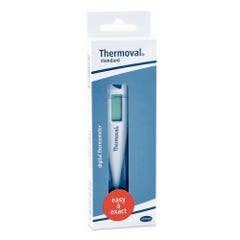
Hartmann Standard Digital Thermometer Thermoval
Digital clinical thermometer, simple and reliable, audible signal, display of last measurement, with protective case.
£4.39 -
 Torm
TormTorm Limited-edition electronic thermometer
An accurate* and fast thermometer measures temperature in just 15 seconds** *accurate to ±0.1 °C between 35.5 °C and 42.0 °C, and ±0.2 °C below 35.5 °C and above 42 °C, in a laboratory at a constant temperature of 37 °C **
£4.72£4.72/u -
 Vicks
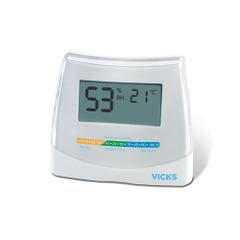
VicksVicks Hygrometer Thermometer V70
Hygrometer and thermometer
Evaluates the humidity level
Maintains a humidity level between 40% and 60%
Indicates the room temperature£15.29 -

-
 Torm
TormTorm Gallium thermometer
A precise thermometer*, non-toxic for both Man and the Environment, to measure body temperature *+0.1°C / -0.15°C
£8.69£8.69/u -
 Frafito
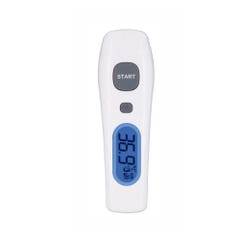
Frafito Contactless Infrared Medical Thermometer Infratemp3 Frafrito Sans contact
Frafrito Infratemp3 non-contact medical thermometer for instant and precise temperature measurement
£49.01 -
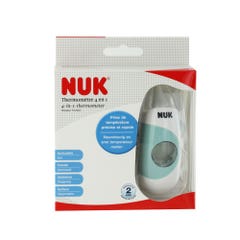 Nuk
NukNuk 4 in 1 multi-function thermometer
Multifunctional 4-in-1 thermometer for quick and accurate temperature measurement.
£42.70 -
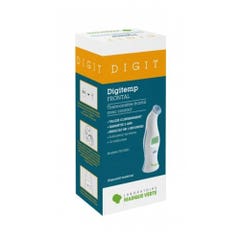
-
-15%
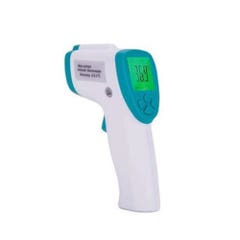 I-Tech
I-Tech Contactless infrared thermometer FI06
Infrared thermometer from I-Tech for fast, accurate measurements
£41.38 £48.67 -
Promo

-
 Out of stock
 -
 Care+
Care+Care+ Digital thermometer with flexible, water-resistant tip x1
The Care+ EG Labo digital thermometer is suitable for family and paediatric use.
£4.39£4.39/uOut of stock
The different types of thermometers
Choosing the right thermometer depends on who it's for and how you prefer to measure temperature. From simple digital models to advanced infrared thermometers, each type offers specific benefits. Here's a quick guide to help you select the most suitable option for your needs.
Digital thermometers for fast and reliable readings
Digital thermometers are a practical choice for everyday use. They deliver accurate results in just a few seconds and are suitable for oral, underarm, or rectal use. Many come with a flexible tip for comfort and an audible beep once the reading is complete—features especially helpful when checking a child’s temperature.
These models are simple to operate, easy to clean, and usually include a clear digital display for quick reading. They're ideal for families looking for a reliable and budget-friendly way to monitor temperature at home.
Infrared thermometers for no-contact forehead and ear use
Infrared thermometers are a convenient, hygienic option for taking someone’s temperature without physical contact. They measure heat from the forehead or ear canal, providing fast, accurate results—ideal for young children, especially when they're asleep or unwell.
Some devices are designed specifically for forehead scanning, while others offer dual-mode use for both ear and forehead. They're particularly useful when checking multiple people, helping to reduce the risk of cross-contamination.
“Infrared thermometers provide rapid, non-contact readings, reducing cross-contamination risk—ideal for home and clinical settings.”
– CDC, 2024; NHS, 2025
Clinical thermometers for medical-grade accuracy
Clinical thermometers are designed for precision. Often used in GP surgeries or care settings, these devices meet higher accuracy standards and are suitable for those who need consistent temperature tracking due to medical reasons.
Some resemble traditional thermometers but no longer use mercury, which has been replaced by safer alternatives like alcohol or Galinstan. Others are advanced digital models, offering quick results with professional-level reliability.
How to use a thermometer properly
Using a thermometer correctly is just as important as choosing the right type. Whether you're checking a child's high temperature or monitoring your own during illness, proper technique ensures reliable results. Below are the main methods used at home, along with simple tips for accurate readings.
Oral, underarm and rectal methods
Digital thermometers are commonly used in the mouth (oral), under the arm (underarm), or rectally. Each method has its benefits and specific recommendations depending on age and comfort level.
- Oral readings are suitable for older children and adults. Make sure the person hasn’t eaten or drunk anything hot or cold in the last 10 minutes.
- Underarm (axillary) measurements are less invasive, but often less accurate. It’s important to keep the arm pressed firmly against the body during the reading.
- Rectal readings are considered the most accurate for babies and young children, especially under the age of 3. Always clean the thermometer thoroughly afterwards.
When using a thermometer for rectal or underarm measurements, it's normal for results to differ slightly from oral readings. Always follow the manufacturer’s instructions for best results.
Forehead and ear temperature scanning tips
Digital thermometers are commonly used in the mouth (oral), under the arm (underarm), or rectally. Each method has its benefits and specific recommendations depending on age and comfort level.
- For forehead thermometers, ensure the skin is clean and dry. Gently place or scan the sensor across the forehead following the device's instructions.
- For ear thermometers, pull the ear slightly back to straighten the ear canal, especially in children. This allows for a more accurate reading. Never use an ear thermometer if the person has an ear infection or excessive wax, as this can affect the result.
Most devices will beep once the reading is ready. Avoid taking repeated measurements in quick succession, as this may cause inconsistent results.
Key features to consider before buying
When choosing a thermometer for your home, it's worth considering more than just the price. Features like speed, ease of use, and hygiene can make a big difference—especially when caring for children or older family members. Below are the key things to look out for before making your choice.
Accuracy, speed and fever alerts
The main role of a thermometer is to provide accurate temperature readings, ideally in a matter of seconds. Look for models with a low margin of error (usually listed in the product specs), and check whether the device has been clinically validated.
Many digital and infrared thermometers now include a fever alert—an audible beep or coloured display that signals when a temperature exceeds 38°C. This can be especially helpful during the night or when monitoring unwell children.
Cleaning, hygiene and durability
For multi-person households, hygiene is key. Opt for thermometers with removable probe covers or easy-to-clean waterproof designs. If you're using a rectal or oral thermometer, cleaning the device thoroughly after each use is essential.
Durability also matters—especially with children in the house. Look for thermometers with sturdy, shatter-resistant casings and long battery life. A well-built device should last for years with proper care.
Memory function and smart features
Many modern digital thermometers come with a memory function, which stores past readings for comparison. This can help track changes in temperature over time, particularly useful for managing illness at home.
Some advanced models offer backlit screens for night-time use, silent mode for use while a child sleeps, and even Bluetooth connectivity for tracking data via a mobile app.
Why every home should have a thermometer
Whether it’s flu season, a child feeling unwell, or recovering from an illness, having a thermometer at home allows you to monitor health with confidence and act promptly when needed. It’s a small tool that plays a big role in day-to-day care.
Early fever detection for quick response
A high temperature is often one of the first signs that the body is fighting off infection. A good thermometer helps you catch these signs early—before other symptoms appear. This can guide your next steps, whether that’s giving rest, calling your GP, or continuing to monitor.
For families with young children, early fever detection provides peace of mind, particularly at night or during teething or colds. It’s a simple way to stay in control and avoid unnecessary worry.
Supporting home health monitoring
Thermometers are not just useful in emergencies—they also play a part in routine health monitoring. Whether you're caring for an older relative, managing a chronic condition, or simply staying vigilant during the colder months, keeping track of temperature can provide reassurance.
Many people choose to combine their thermometer with other home tools, such as scales or blood pressure monitors, which you’ll find among our wide range of measuring devices for home use.
Frequently asked questions about thermometers
Can I use one thermometer for the whole family?
Yes, as long as it's cleaned properly between uses. Many models support disposable probe covers, which help maintain hygiene when switching between users or different types of measurement.
What’s considered a high temperature in adults or children?
A body temperature of 38 °C or above is generally considered a fever. For detailed advice on what to do and when to seek medical help, you can refer to the official guidance from the NHS on fever symptoms.
What’s the safest option for checking a baby’s temperature?
For newborns, a rectal thermometer offers the most accurate results. From around six months, many parents prefer ear or forehead infrared thermometers, as they're quicker and less invasive.
