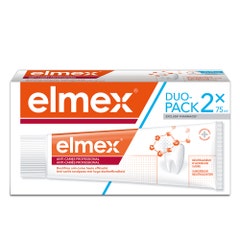
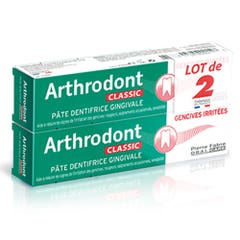
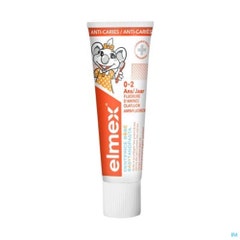
Selecting the right toothpaste is crucial in the pursuit of exemplary oral hygiene. Whether it's for sensitive teeth, cavity prevention, gum care, combating bad breath, or specific formulations for children, the market offers a wide array of solutions tailored to every need. However, with so many options available, how do you determine which toothpaste best suits your specific requirements? And what truly defines a good toothpaste?
Our buying guide, crafted by experts, aims to steer you through this selection process. We not only outline the essential features of specific toothpastes but also highlight the criteria to consider when making the best choice. Whether you're seeking the best toothpaste for gums, an effective ally against cavities, or a product designed for sensitive teeth, you'll find all the necessary information here to guide your decision.
Let's explore the expert advice together to help you choose the most suitable toothpaste for both your needs and those of your family.
What Makes a Good Toothpaste?
A good toothpaste effectively addresses your specific oral health needs while protecting against common issues such as cavities, gingivitis, plaque, tartar, and bad breath. To be considered effective, it must include active ingredients known for their efficacy and strike a balance between cleaning, protection, and targeted care.
The importance of selecting the right toothpaste cannot be overstated. With the right active ingredients and appropriate formulation, toothpaste can play a key role in maintaining good oral health, complementing other hygiene practices such as regular brushing, flossing, and routine dental visits.
Criteria for Selecting the Right Toothpaste
When choosing a toothpaste, it's crucial to consider various factors to ensure it meets your specific needs and effectively contributes to your oral hygiene. By taking these six criteria into account during your toothpaste selection, you can not only safeguard your oral health but also act consciously and responsibly towards your overall well-being and the environment.
Choosing Toothpaste for Sensitive Teeth
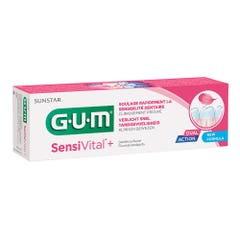
Sensitive teeth require special attention to prevent and alleviate pain triggered by exposure to hot or cold temperatures, as well as sweet or acidic foods. For those living with this sensitivity daily, selecting the right toothpaste is essential to alleviate discomfort and protect vulnerable teeth. A toothpaste designed for sensitive teeth contains active ingredients that help relieve pain by blocking channels leading to sensitive nerves inside your teeth. These special formulas work by creating a protective barrier around exposed dentin or by blocking the tubules within dentin that transmit pain signals.
Generally, toothpastes for sensitive teeth are enriched with compounds such as potassium nitrate or potassium citrate. These ingredients effectively reduce the transmission of pain signals from the tooth surface to the nerve. Some formulas may also contain fluoride to strengthen enamel and provide additional protection against decay, crucial for preventing future exposure of dentin. When choosing a toothpaste for sensitive teeth, it's important to look for a product that not only relieves sensitivity but also contributes to overall mouth health, offering cavity protection, enamel strengthening, and fresh breath.
Regular dental check-ups are advisable, especially if you suffer from tooth sensitivity! Proper dental care, combined with the regular use of a toothpaste tailored for sensitive teeth, can greatly improve your daily comfort and maintain good oral health.
Choosing Toothpaste for Cavity Prevention
Preventing cavities is a major concern in oral health care. Dental cavities, caused by enamel demineralization due to acid attacks from bacteria in dental plaque, can lead to pain, infections, and even tooth loss if untreated. Fortunately, regular use of suitable toothpaste can play a crucial role in cavity prevention.
To effectively combat cavities, it's essential to choose a toothpaste containing fluoride. Fluoride is well-known for its ability to strengthen tooth enamel by promoting remineralization and making teeth more resistant to acid attacks from bacteria. By creating a protective barrier around the tooth, fluoride helps prevent cavity formation and can even reverse early stages of acid damage. In addition to fluoride, some toothpastes may contain other active ingredients such as xylitol, a natural sweetener that reduces bacteria in the mouth, or triclosan, which fights bacteria responsible for dental plaque and gingivitis. While triclosan is less commonly used today due to environmental and health concerns, xylitol remains a popular and effective alternative.
When choosing a toothpaste for cavity prevention, look for products that clearly indicate the presence of fluoride in their ingredients, preferably at a concentration of at least 1000 ppm (parts per million) for adults. Toothpastes for children should contain a fluoride concentration appropriate for their age to minimise the risk of accidental ingestion that could lead to dental fluorosis.
It's also recommended to complement the use of fluoride toothpaste with good oral hygiene practices, including brushing teeth twice a day, daily flossing, and regular dental visits for professional exams and cleanings. Together, these practices can significantly reduce the risk of cavities and maintain a healthy and resilient mouth.
Choosing Toothpaste for Gum Care
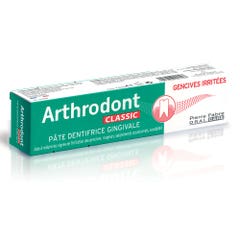
Gums play a crucial role in oral health by supporting teeth and protecting underlying bone structures. Maintaining good gum health is essential for preventing issues like gingivitis, periodontitis, and ultimately, tooth loss. A toothpaste specially formulated for gum care can be a valuable ally in this preventive approach.
To effectively maintain gum health, it's recommended to use a toothpaste containing anti-inflammatory and antimicrobial ingredients. These components help reduce gum inflammation and combat bacteria responsible for gum diseases. Effective ingredients include:
- Fluoride: While primarily known for its action against cavities, fluoride can also help strengthen soft and hard tissues around the teeth, providing additional protection to the gums.
- Baking soda: This ingredient has cleansing properties and neutralises acids produced by bacteria in the mouth, thereby reducing gum inflammation.
- Cetylpyridinium chloride: An antimicrobial agent that helps reduce bacterial plaque and tartar, preventing gum inflammation and bleeding.
- Aloe vera: Recognized for its soothing and anti-inflammatory properties, aloe vera can help relieve irritated gums and promote healing of gum tissues.
Choosing a toothpaste enriched with these ingredients can significantly contribute to the overall health of your gums. However, it's important to remember that a good toothpaste does not replace good oral hygiene practices, such as regular brushing, flossing, and periodic dental visits for professional cleanings and gum health exams.
Lastly, if you experience symptoms such as regularly bleeding gums, redness, or swelling, it's crucial to consult a dental health professional. These signs may indicate gingivitis or gum disease that requires specific treatment. While a gum care toothpaste can be an important part of your care routine, it should be accompanied by appropriate medical attention to effectively address gum issues.
Choosing Toothpaste for Bad Breath
Bad breath, or halitosis, can be both embarrassing and uncomfortable, impacting self-confidence and social interactions. It's often caused by bacteria in the mouth that feed on food particles, producing volatile sulfur compounds responsible for the unpleasant odour. A toothpaste specifically formulated to combat bad breath can significantly reduce this issue.
When selecting a toothpaste for bad breath, look for products that offer antibacterial action and can neutralise odours rather than just masking them. Key ingredients to look for include:
- Zinc: Effective in neutralising volatile sulfur compounds and can significantly reduce bad breath.
- Xylitol: This natural sweetener not only provides a fresh sensation but also helps reduce the amount of bacteria in the mouth.
- Essential Oils: Such as menthol, eucalyptol, and thymol, which have antibacterial properties and provide long-lasting fresh breath.
It's important to note that a toothpaste targeting bad breath should not only focus on odour neutralisation but also promote good oral hygiene by removing dental plaque, reducing tartar, and stimulating saliva production, which naturally cleanses the mouth.
In addition to using a suitable toothpaste, maintaining a comprehensive oral hygiene routine is crucial for combating bad breath. This includes brushing teeth at least twice a day, daily flossing, cleaning the tongue, and regular dental visits for check-ups and professional cleanings.
Remember, if bad breath persists despite good oral hygiene, it may be a symptom of an underlying health issue such as gum infection, dry mouth, or medical conditions affecting other parts of the body. In such cases, it's advisable to consult a dental or medical professional for proper diagnosis and treatment.
Criteria for Selecting the Right Toothpaste for Children
- Fluoride Content: Fluoride is crucial for strengthening tooth enamel and preventing cavities in children. However, the amount of fluoride in toothpaste should be age-appropriate to avoid the risk of dental fluorosis (staining on teeth due to excessive fluoride). Toothpastes for younger children (under 3 years) should typically contain a lower fluoride concentration, around 1000 ppm, while those for older children can contain up to 1450 ppm, similar to adult toothpastes.
- Gentle Formulation and Pleasant Taste: Children's toothpastes should be formulated to be gentle on enamel and gums, without harsh ingredients that could cause irritation. Additionally, children may be sensitive to the taste of their toothpaste. Fruity or bubblegum flavours, for example, can make brushing more appealing to them, thereby increasing their willingness to maintain a good dental hygiene routine.
- Safety in Case of Ingestion: Since young children are prone to swallowing toothpaste, it's important to choose a product that is non-toxic and safe in case of accidental ingestion. Toothpastes from reputable brands are typically formulated to meet the needs of younger children. It's essential to choose toothpaste based on the child's age to ensure safety and effectiveness.
Encouraging Toothbrushing
- Let Them Choose Toothpaste: Allowing children to choose their toothpaste from a pre-approved selection can make them feel more involved and motivated to brush their teeth.
- Teach in a Fun Way: Using stories, games, or educational apps about tooth brushing can also encourage children to adopt good oral hygiene practices.
- Make Brushing Fun: Incorporating songs, playful timers, or stories about their favourite characters during brushing time can turn this activity into a joyful and anticipated moment.
It's recommended to consult a paediatric dentist for personalised advice on the best toothpaste for your child, as well as on the best brushing and dental care practices from a young age. A good start in oral hygiene can help establish the foundation for a lifetime of dental health.
Choosing the ideal toothpaste is a crucial step in establishing an effective and enjoyable oral hygiene routine. The criteria outlined in this guide—from active ingredients to environmental impact—highlight the importance of selecting a product that not only meets your specific needs but also aligns with your personal values. Whether you're combating cavities, treating tooth sensitivity, maintaining healthy gums, freshening breath, ensuring dental care for your children, or minimising your ecological footprint, there is a toothpaste tailored to every need and preference.
Remember, the best toothpaste is one that encourages you to maintain good daily dental hygiene. Consistent brushing, along with flossing and regular dental visits, forms the foundation of a healthy mouth. By carefully choosing your toothpaste based on the mentioned criteria, you take another step towards maintaining optimal oral health.
Lastly, don't hesitate to discuss with your dentist about toothpaste options that could be most beneficial for you. Professional recommendations, combined with informed selection, will ensure you find the perfect toothpaste that meets all your criteria, for yourself and your family.