















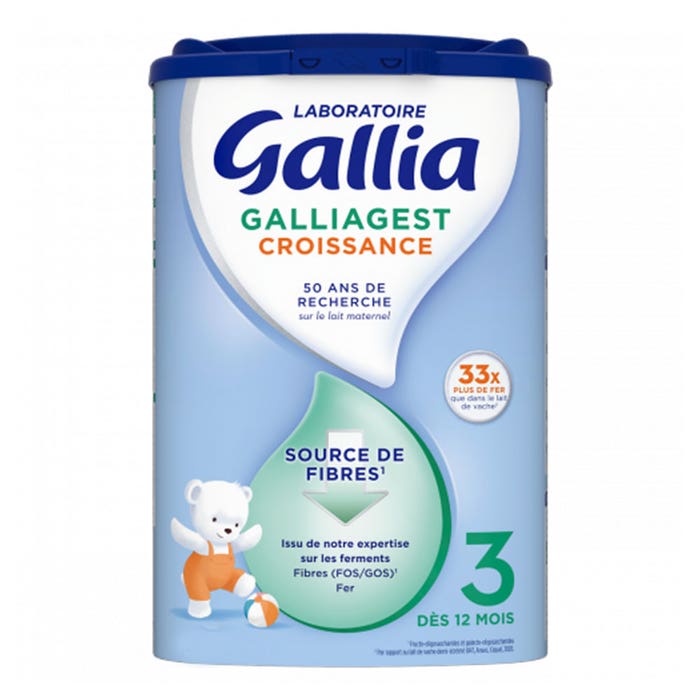
Gallia Galliagest Premium Growth 3 Powdered Milk premium growth milk for toddlers 1–3 years 800 g
- bvseo_sdk, p_sdk, 3.2.1
- CLOUD, getAggregateRating, 193.83ms
- REVIEWS, PRODUCT
- bvseo-msg: HTTP status code of 404 was returned;
Description
- Growth milk powder made with skimmed milk, enriched with essential fibres and nutrients
- Tailored to the needs of children aged 12 months to 3 years
- Supports healthy growth and balanced digestion
- For use alongside a varied and balanced diet
- Quick to prepare with included scoop and measured water
- Follow-on milk, infant food – Net weight: 800 g
Gallia Galliagest Premium Growth Milk Powder is a specialist follow-on formula designed to meet the unique nutritional needs of children aged 12 months to 3 years as part of a varied weaning diet. Inspired by the natural benefits of breast milk, this powdered milk provides balanced nutrition to support healthy growth during this important developmental stage.
A fibre-rich formula for digestive comfort
Galliagest Premium Growth Milk stands out for its high fibre content, carefully included to support your child's digestive wellbeing. With just two 240 ml bottles prepared as directed, this formula provides 48% of the recommended daily fibre intake for toddlers. Developed in collaboration with 250 paediatricians and nutritionists, it meets strict regulatory standards while adapting to the changing nutritional needs of growing children.
Breast milk-inspired nutrition
Building on over 30 years of scientific research, this advanced powdered milk incorporates the latest nutritional discoveries to deliver an optimised nutritional profile. Designed to complement a varied diet, the formula supports balanced growth while following expert paediatric guidelines. Its development combines cutting-edge innovation with rigorous food safety standards, ensuring both nutritional excellence and peace of mind for parents.
This premium growing-up milk blends expert nutritional knowledge with careful adaptation to the evolving needs of toddlers, providing confident support for their development during these formative years.
https://shop.laboratoire-gallia.com/nous-contacter
LABORATOIRE GALLIA
BSA - CS13754
81 rue de Sans Souci
69576 Limonest Cedex
0800.202.202
How to use it
How to prepare Galliagest premium growth milk powder?
Wash your hands and sterilise the bottle. Pour in the recommended amount of cold water (using suitable bottled water), then add the level scoops of powder using the leveller. Seal the bottle, shake for 10 seconds, then warm gently. Always check the temperature on your wrist before feeding.
Clean the bottle and accessories after each use. Store the measuring scoop under the lid to keep it safe. *Your baby’s stools may change temporarily – this is perfectly normal.*
Compositions & ingredients
The composition may be subject to variations, so we advise you to always check the list on the purchased product.
Ingredients: skimmed milk, lactose, whey (demineralised whey, concentrated whey proteins), galacto-oligosaccharide syrup, maltodextrins, vegetable oils (palm, sunflower, rapeseed), galacto-oligosaccharide powder, fructo-oligosaccharides, emulsifier: soya lecithin, taurine, antioxidant: tocopherol-rich extract, vitamins: C, niacin, pantothenic acid, folic acid, E, A, biotin, B1, D3, B6, B2, B12, K1, minerals: calcium phosphate, potassium and sodium citrates, magnesium and choline chlorides, iron sulphate, potassium chloride, zinc and copper sulphates, potassium iodide, manganese sulphate, sodium selenite.
| Average analysis | Per 100 g of powder | Per 100 ml reconstituted at 14.60% | |
| Energy value | kJ | 1860 | 275 |
| kcal | 444 | 65 | |
| Protein (of which) | g | 10 | 1.5 |
| Carbohydrates (of which) | g | 55.6 | 8.1 |
| Sugars | g | 46.6 | 6.8 |
| Of which lactose | g | 42.8 | 6.3 |
| Fats (of which) | g | 18.7 | 2.7 |
| Saturated fatty acids | g | 4.4 | 0.6 |
| Linoleic acid | g | 2.62 | 0.383 |
| Alpha-linolenic acid | g | 0.46 | 0.067 |
| Dietary fibre | g | 6.9 | 1 |
| Minerals | |||
| Sodium | mg | 174 | 26 |
| Potassium | mg | 589 | 86 |
| Chloride | mg | 312 | 46 |
| Calcium | mg | 613 | 90 |
| Phosphorus | mg | 369 | 54 |
| Magnesium | mg | 39 | 5.8 |
| Iron | mg | 9.8 | 1.4 |
| Zinc | mg | 7.3 | 1.1 |
| Copper | μg | 335 | 49 |
| Manganese | μg | 70 | 10 |
| Selenium | μg | 12 | 1.7 |
| Iodine | μg | 102 | 15 |
| Vitamins | |||
| A | μg ER | 437 | 64 |
| D | μg | 11 | 1.7 |
| E | mg-αTE | 7.7 | 1.1 |
| K | μg | 33 | 4.9 |
| C | mg | 117 | 17 |
| B1 | μg | 404 | 59 |
| B2 | μg | 829 | 121 |
| Niacin | μg | 3600 | 530 |
| B6 | μg | 320 | 47 |
| Folic acid | μg | 81 | 12 |
| B12 | μg | 0.97 | 0.14 |
| Biotin | μg | 8.8 | 1.3 |
| Pantothenic acid | μg | 2704 | 396 |
| Others | |||
| Choline | mg | 66 | 9.6 |
| Taurine | mg | 43 | 6.3 |
Gallia Laboratory encourages breastfeeding for at least the first 6 months of a baby’s life, in line with WHO recommendations. Breast milk is the most suitable food for meeting babies’ specific needs. Regulations also prohibit infant food manufacturers from promoting their 0–6 month formulas. Always consult your doctor.
In addition to milk, water is the only essential drink.
Breast milk is the ideal, natural food for infants: it is perfectly adapted to their specific needs. A mother’s good nutrition is important for preparing for and continuing breastfeeding. Mixed feeding can interfere with breastfeeding, and it is difficult to reverse the decision not to breastfeed. If using infant formula when the mother cannot or chooses not to breastfeed, it is essential to strictly follow the preparation and usage instructions and seek medical advice.
Incorrect use could pose a risk to the child’s health. Socio-economic implications should be considered when choosing a feeding method.
Related products
-
 Gallia
Gallia Growing-up milk powder from 18 months 830 g
Supports immune and brain development in children from 18 months with vitamins A, C, D, DHA and iron.
(2)£15.05£18.13/kg -
 Gallia
Gallia Calisma Growth 3 powdered milk from 12 months to 3 years 800 g
Supports the immune system development of children aged 12 months to 3 years, thanks to its Pronutra+-enriched formula.
(3)£12.78£15.98/kg -
Made in France
 Guigoz
Guigoz Optipro Growth formula 3 powdered milk from 1 year 780 g
A balanced blend of vitamins and minerals tailored to support toddlers aged 1–3 as part of a varied diet.
(16)£13.19£16.91/kg -
Organic
 Guigoz
Guigoz Organic Growth milk powder 3 from 10 months to 3 years 800 g
Supports normal cognitive and bone development with iron, zinc, vitamin D and omega 3 from organic ingredients.
(6)£20.41£25.51/kg -
Made in France
 Guigoz
Guigoz Gest Thickened Powdered Milk 1 from birth to 6 months 780 g
Suitable for infants from birth when not breastfed, up to 6 months.
(3)£20.88£26.77/kg -
Made in France
 Guigoz
Guigoz Gest Thickened Powdered Milk 2 from 6 months to 1 year 780 g
Thickened with starch, this milk meets babies’ nutritional needs.
(1)£20.20£25.90/kg -
 Guigoz
Guigoz Ultima First Age Infant Milk Powder 1 from birth to 6 months 780 g
Suitable for infants from birth when not breastfed or as a supplement to breastfeeding.
(12)£25.36£32.51/kg -
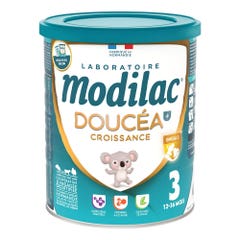 Modilac
Modilac Doucéa Milk Powder Growth 12 to 36 Months 800g
Growth milk powder for babies aged 12 to 36 months.
(13)£11.97£14.96/kg -
Made in France
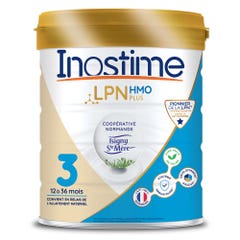 Inostime
Inostime 3rd Age Baby Milks 12 to 36 months 800g
Infant milk with a high-quality nutritional profile.
(1)£18.77£23.46/kg -
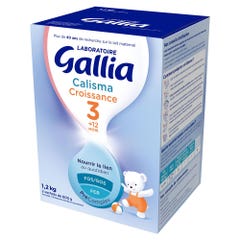 Gallia
Gallia Calisma Growth 3 powdered milk 12 months-3 years suitable for 1-3 years 2 x 600 g
Supports your child’s immune system development from 12 months with its Pronutra+-enriched formula.
(4)£17.83£14.86/kg
Reviews
- bvseo_sdk, p_sdk, 3.2.1
- CLOUD, getReviews, 13.41ms
- REVIEWS, PRODUCT
- bvseo-msg: HTTP status code of 404 was returned; HTTP status code of 404 was returned;
Got a question?
- bvseo_sdk, p_sdk, 3.2.1
- CLOUD, getContent, 111.7ms
- QUESTIONS, PRODUCT
- bvseo-msg: HTTP status code of 404 was returned;
